Shadow Copies: The Non-Production Environments Where Governance Goes to Die
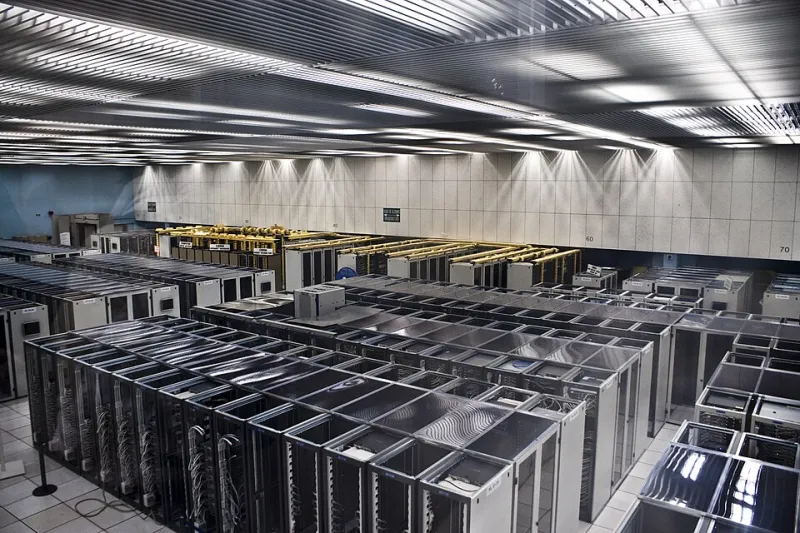
Photo: Florian Hirzinger - www.fh-ap.com, CC BY-SA 3.0, via Wikimedia Commons
Ask a compliance officer which CRM systems fall under their data governance program, and the answer is almost always the same: the production instance. That is where the audit trails live, where field-level security is configured, where retention policies run on schedule. It is also, in most enterprises, the only environment anyone is actually watching.
The problem is that production is rarely alone. Behind nearly every mature CRM deployment sits a constellation of sandboxes, development environments, QA instances, training clones, and legacy full-copy refreshes — and in a surprising number of them, real customer data is sitting in plain text, governed by nothing more than a shared password and good intentions.
The Clone Problem Nobody Budgeted For
Most CRM platforms make it trivially easy to spin up a sandbox from a production snapshot. That convenience is exactly what makes it dangerous. A developer requesting an environment to test a new lead-routing workflow typically receives a full copy of production — names, addresses, purchase histories, Social Security numbers if your sales team collected them, all of it.
What happens next varies by organization, but the pattern is consistent: the project ends, the developer moves on, and the sandbox keeps quietly aging in place. Six months later, nobody remembers why it exists, but nobody deletes it either, because nobody is sure what depends on it.
From a regulatory standpoint, this is indistinguishable from maintaining an unmonitored production system. Under CCPA and its state-level counterparts, consumer rights attach to the data itself, not the environment holding it. A deletion request that scrubs production while leaving four stale sandboxes untouched is a compliance failure — and increasingly, one that regulators and plaintiffs' attorneys know how to look for.
Where Masking Breaks Down
Data masking is the standard answer, and in theory it works. In practice, we see the same failure modes repeatedly.
First, partial masking. Teams obfuscate the obvious fields — names, emails, phone numbers — while leaving free-text notes, attachment metadata, and custom fields carrying identifiers untouched. A masked record with an unmasked "how did you hear about us" note containing a customer's employer and title is still personal data.
Second, referential integrity gaps. Masking tools that scramble values independently across objects can break the relationships that make test data useful, prompting developers to quietly re-seed environments with unmasked production extracts. Every compliance team that has audited a sandbox has found one of these "helper" scripts.
Third, refresh discipline. A sandbox masked at creation goes stale the moment production changes. Without a scheduled re-masking cycle, drift reintroduces live data one refresh at a time.
Bringing Non-Production Under the Umbrella
The fix is organizational before it is technical. Non-production environments need an owner, a purpose, a data classification, and an expiry date — the same four attributes you would demand of any system touching customer records.
A practical starting checklist:
- Inventory everything. Use platform tooling, cloud billing records, and network scans to enumerate every environment that has ever held CRM data. Expect the list to be longer than expected.
- Assign named ownership. An environment without an accountable owner is a liability, not an asset. Delete anything that has no owner willing to claim it.
- Classify the data. Environments that genuinely need production-grade data should be treated as production: access logging, MFA, monitoring. Everything else gets synthetic or masked data only.
- Automate masking and refresh. Manual masking is a policy that decays. Build it into the pipeline so a refresh without masking is technically impossible, not merely prohibited.
- Set expiration. Every sandbox should have a sunset date. Extensions require justification — the same discipline you apply to access reviews.
- Document for the auditor. When an examiner asks how you prevent customer data exposure outside production, the answer should be a one-page control description, not a shrug.
The Maturity Signal
There is a reason sophisticated buyers have started asking vendors about non-production data handling during due diligence. It is a remarkably reliable proxy for overall security maturity. An organization that has extended its governance program into its sandboxes is an organization that takes controls seriously everywhere; one that has not is exposing itself to breach, regulatory action, and contractual liability over environments that produce no revenue at all.
The test environment exists to catch problems before they reach production. Right now, at most companies, it is the problem.